
Best Supplements for Energy Without Caffeine (No Jitters)
Boost energy without caffeine crashes. Beginner-friendly supplements that support steady energy, focus, and resilience—plus simple stacks and safety notes.

Editorial Review
HNH Editorial Team
Nutrition professionals & registered dietitians
Our editorial team consists of nutrition professionals, registered dietitians, and health content specialists who review, fact-check, and verify all content for accuracy and evidence-based information. All articles undergo rigorous editorial review before publication.
If caffeine makes you jittery or leaves you crashing later, you’re not alone. The goal here isn’t “fake energy.” It’s steady support for the systems your body uses to create energy—without the spike.
Best for
Steady energy, focus, fewer crashes
Start here
B-complex + hydration + consistent meals
Timing
Adaptogens earlier; magnesium later
Friendly reminder: This article is educational and not medical advice. Always
consult with a qualified professional before making changes, especially if
you're pregnant/nursing or taking medications.
Why caffeine-free energy matters
Hydration, sleep quality, and nutrient status can all influence how energized you feel. Harvard Health notes that when you’re low on fluids, you may feel tired and weaker than usual. [8]
If you want a simple foundation, start with:
- water + electrolytes when appropriate
- protein at breakfast
- consistent meal timing
Building these habits consistently can make a noticeable difference in how energized you feel throughout the day.
The best supplements for energy without caffeine
1) B-Complex vitamins (energy metabolism foundation)
NIH ODS explains thiamin (vitamin B1) plays a critical role in energy metabolism. [1] A B-complex is often a simple starting point for beginners who want “steady support.”

2) Vitamin B12 (fatigue context + basic function)
NIH ODS notes vitamin B12 helps keep blood and nerve cells healthy, helps make DNA, and helps prevent megaloblastic anemia (which can cause tiredness and weakness). [2]
3) CoQ10 (cellular energy support)
NCCIH notes CoQ10 is naturally present in the body and researchers study it because it has important functions. [5] The National Cancer Institute notes CoQ10 helps cells produce energy and acts as an antioxidant. [6]
4) Rhodiola rosea (stress-related fatigue support)
NCCIH notes rhodiola is possibly safe for short-term use (up to 12 weeks) and lists possible side effects like insomnia and dizziness. [3] Many beginners prefer taking it earlier in the day.
5) Ashwagandha (stress support that can indirectly help energy)
NCCIH notes ashwagandha may be safe short-term (up to 3 months) but long-term safety is uncertain; it should be avoided during pregnancy, and rare liver injury cases have been reported. [4]
6) Magnesium (calm energy + nervous system support)
NIH ODS notes magnesium is required for energy production and supports muscle and nerve function. [7]
7) Greens powder (nutrient + routine support)
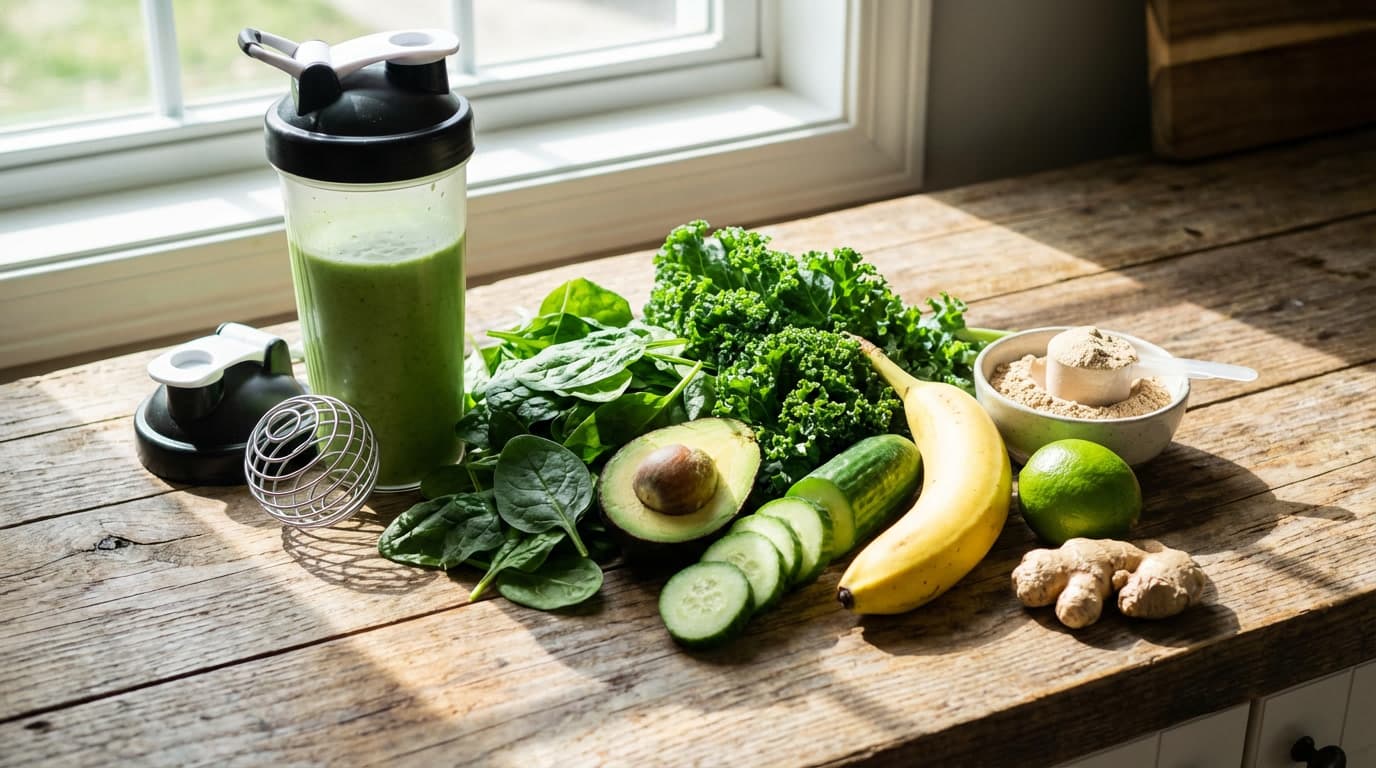
Greens powders aren’t a replacement for vegetables, but they can help you keep a consistent micronutrient routine on busy mornings.
8) Electrolytes (often overlooked if hydration is the real issue)
MedlinePlus notes dehydration treatment involves replacing fluids and electrolytes; sports drinks may help if you’ve lost electrolytes. [11] Harvard’s Nutrition Source explains electrolyte drinks are designed to be easily absorbed to rebalance mineral and fluid levels. [12]
Product recommendations
Best B-complex starter
A simple foundation supplement many beginners use for steady daytime support.
View on AmazonHigher-strength B-complex
A popular B-complex option for people who want a consistent, structured morning routine.
View on iHerbB12 for energy & nerve health
A common choice for supporting energy metabolism and healthy nerve function.
View on AmazonCoQ10 for cellular energy
Commonly used for steady long-game energy support alongside meals and sleep habits.
View on AmazonMagnesium for calm energy
Many people use magnesium at night to support muscle and nerve function as part of a sleep routine.
View on iHerbAdaptogen for stamina
Often used for stress-related fatigue support; start low and take earlier in the day.
View on AmazonGreens powder for busy mornings
Helpful for routine consistency when your breakfast is rushed or inconsistent.
View on iHerbZero-sugar electrolytes
A popular choice for hydration support without added sugar or artificial ingredients.
View on AmazonBeginner stacks (simple combos)
Stack A: Calm daily energy
- • B-complex (morning)
- • Magnesium (evening)
- • Best for: steady energy + better sleep habits
Stack B: Focus + stamina (no caffeine)
- • Rhodiola (morning)
- • CoQ10 (with a meal)
- • Best for: stress-related fatigue support
Safety notes (keep it simple)
- introduce one supplement at a time
- take rhodiola earlier in the day if it affects sleep [3]
- ashwagandha has important cautions (pregnancy avoidance; rare liver injury reports) [4]
- if you’re dehydrated, fix hydration first (electrolytes may help when you’ve lost them) [11][12]
Energy reset
Choose one stack and track your energy for 14 days
Keep it simple: steady meals, hydration, and one supplement change at
a time.
FAQ
Frequently Asked Questions
References
[1] NIH Office of Dietary Supplements
Thiamin (Vitamin B1) — Health Professional Fact Sheet
[2] NIH Office of Dietary Supplements
Vitamin B12 — Consumer Fact Sheet
[3] NIH NCCIH
Rhodiola — Usefulness and Safety
[4] NIH NCCIH
Ashwagandha — Usefulness and Safety
[5] NIH NCCIH
Coenzyme Q10
[6] National Cancer Institute
Coenzyme Q10 (PDQ®)
[7] NIH Office of Dietary Supplements
Magnesium — Health Professional Fact Sheet
[8] Harvard Health
Fight fatigue with fluids
[11] MedlinePlus
Dehydration
[12] Harvard T.H. Chan School of Public Health
The Nutrition Source — Electrolyte drinks
Content Transparency
This article was created with the assistance of AI technology and has been thoroughly reviewed, fact-checked, and verified by our editorial team of nutrition professionals and registered dietitians. All information is based on current scientific research and medical guidelines. Our editorial process ensures accuracy, relevance, and adherence to evidence-based practices.
Editorial Review
HNH Editorial Team
Nutrition professionals & registered dietitians
Our editorial team consists of nutrition professionals, registered dietitians, and health content specialists who review, fact-check, and verify all content for accuracy and evidence-based information. All articles undergo rigorous editorial review before publication.

High-Protein Breakfasts That Don't Spike Blood Sugar (Beginner Guide)
Simple high-protein breakfast ideas that support steadier energy and fewer crashes—plus meal prep tips and beginner-friendly product picks.
Read article