
Daily Immune-Support Habits That Actually Work
A practical immune-support routine: sleep, nutrition, hydration, stress, and optional supplements—plus an easy daily checklist you can follow.

Editorial Review
HNH Editorial Team
Nutrition professionals & registered dietitians
Our editorial team consists of nutrition professionals, registered dietitians, and health content specialists who review, fact-check, and verify all content for accuracy and evidence-based information. All articles undergo rigorous editorial review before publication.
Immune support isn’t a quick fix. The immune system responds best to consistent basics—sleep, nutrition, hydration, and stress management. Supplements can support a routine, but they don’t replace the fundamentals. [1][2]
Biggest lever
Sleep consistency
Food focus
Protein + produce daily
Supplements
Optional, targeted
Friendly reminder: This article is educational and not medical advice. If you
have immune-related conditions or take medications, consult a qualified
professional.
The immune basics (simple and repeatable)
- Sleep: consistent bedtime/wake time supports recovery [1]
- Nutrition: protein + colorful produce helps cover key nutrients [2]
- Hydration: being run down often feels worse when you’re under-hydrated [3]
- Stress: small daily calming habits help support resilience
Related reading: Natural Supplements for Stress Relief
Daily immune-support habits
1) Prioritize consistent sleep
CDC shares practical sleep hygiene tips (timing, light, routine) that support better sleep consistency. [1]
2) Eat protein at breakfast
Protein-forward mornings help support steady energy and better choices later. [2]
3) Include 2 produce colors at lunch + dinner
A simple “color rule” increases nutrient variety.

4) Hydrate consistently
Harvard Health notes low fluids can make you feel tired and weaker than usual. [3]
5) Add light daily movement
A short walk counts and supports overall health habits.
6) Use supplements only when they match your needs
NIH ODS fact sheets are a good starting point for understanding vitamin D, vitamin C, and zinc. [4][5][6]
Daily immune checklist (copy/paste)
Daily basics
- • Water by mid-morning
- • Protein at breakfast
- • 2 produce colors at lunch + dinner
- • 10–20 minutes movement
Recovery basics
- • Consistent bedtime
- • 2-minute breathing reset
- • Plan 2 snacks
- • Wind-down routine step
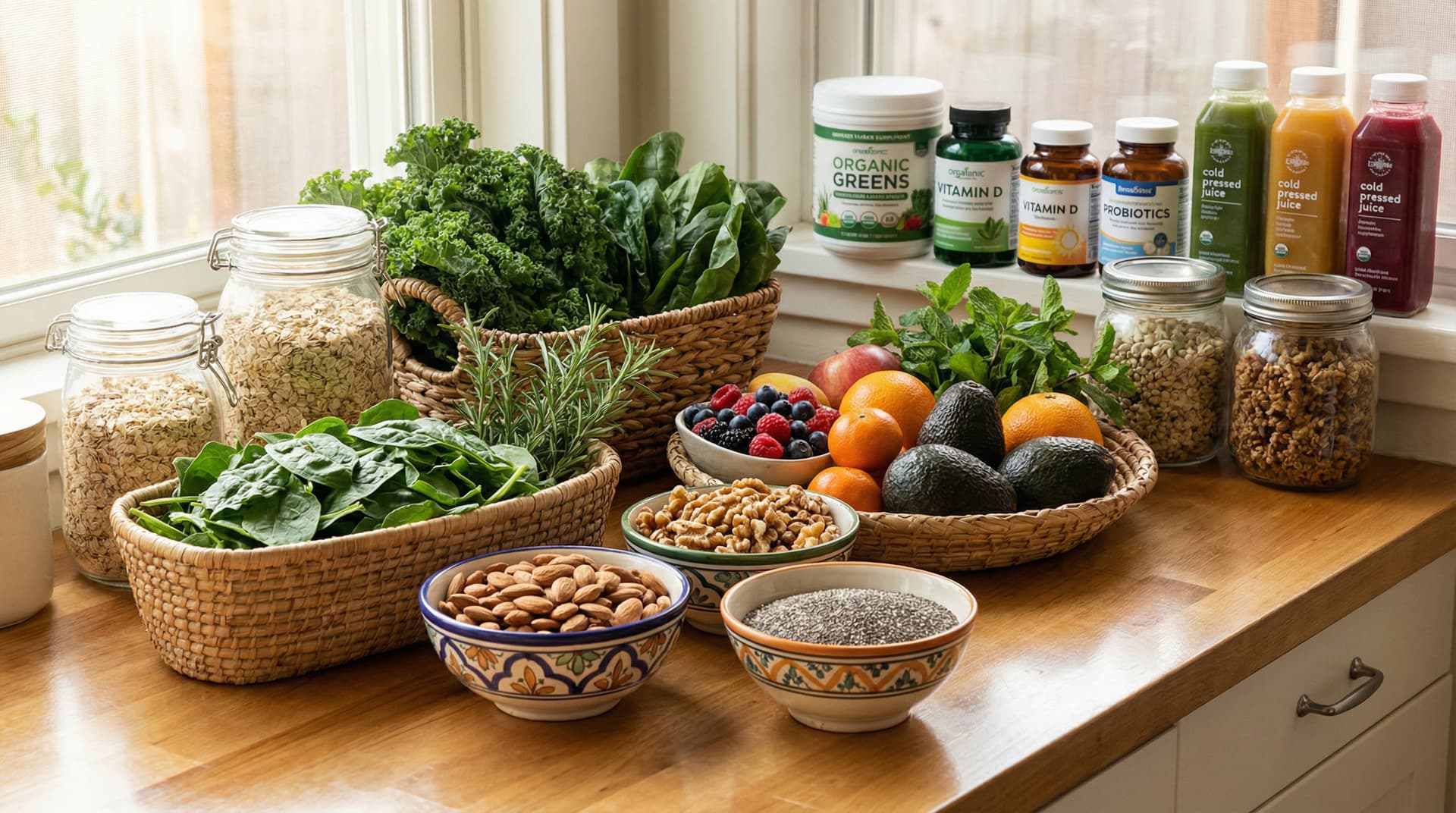
Product picks
Simple daily support
A straightforward option for routine support. Use as directed and avoid megadoses unless advised. [5]
View on AmazonCommon baseline option
Often used when sun exposure is low. Consider checking your level with a professional. [4]
View on AmazonSeasonal routine favorite
Popular seasonal add-on. Think “support,” not “guarantee.”
View on AmazonTargeted mineral support
Zinc is essential, but more isn’t always better—stick to the label and avoid long-term high-dose use. [6]
View on AmazonPractical takeaways
Food-first routine
- • Protein at breakfast
- • Produce colors at meals
- • Hydration earlier in the day
Supplement-smart
- • Use targeted supplements only
- • Avoid stacking many products
- • Ask a professional if unsure
Routine builder
Save the checklist and follow it for 7 days
Most “immune support” comes from repeatable basics—sleep, meals,
hydration, and stress habits.
FAQ
Frequently Asked Questions
References
[1] CDC
Sleep Hygiene Tips
[2] U.S. Dietary Guidelines
Dietary Guidelines for Americans
[3] Harvard Health
Fight fatigue with fluids
[4] NIH Office of Dietary Supplements
Vitamin D — Consumer Fact Sheet
[5] NIH Office of Dietary Supplements
Vitamin C — Consumer Fact Sheet
[6] NIH Office of Dietary Supplements
Zinc — Consumer Fact Sheet
Content Transparency
This article was created with the assistance of AI technology and has been thoroughly reviewed, fact-checked, and verified by our editorial team of nutrition professionals and registered dietitians. All information is based on current scientific research and medical guidelines. Our editorial process ensures accuracy, relevance, and adherence to evidence-based practices.
Editorial Review
HNH Editorial Team
Nutrition professionals & registered dietitians
Our editorial team consists of nutrition professionals, registered dietitians, and health content specialists who review, fact-check, and verify all content for accuracy and evidence-based information. All articles undergo rigorous editorial review before publication.
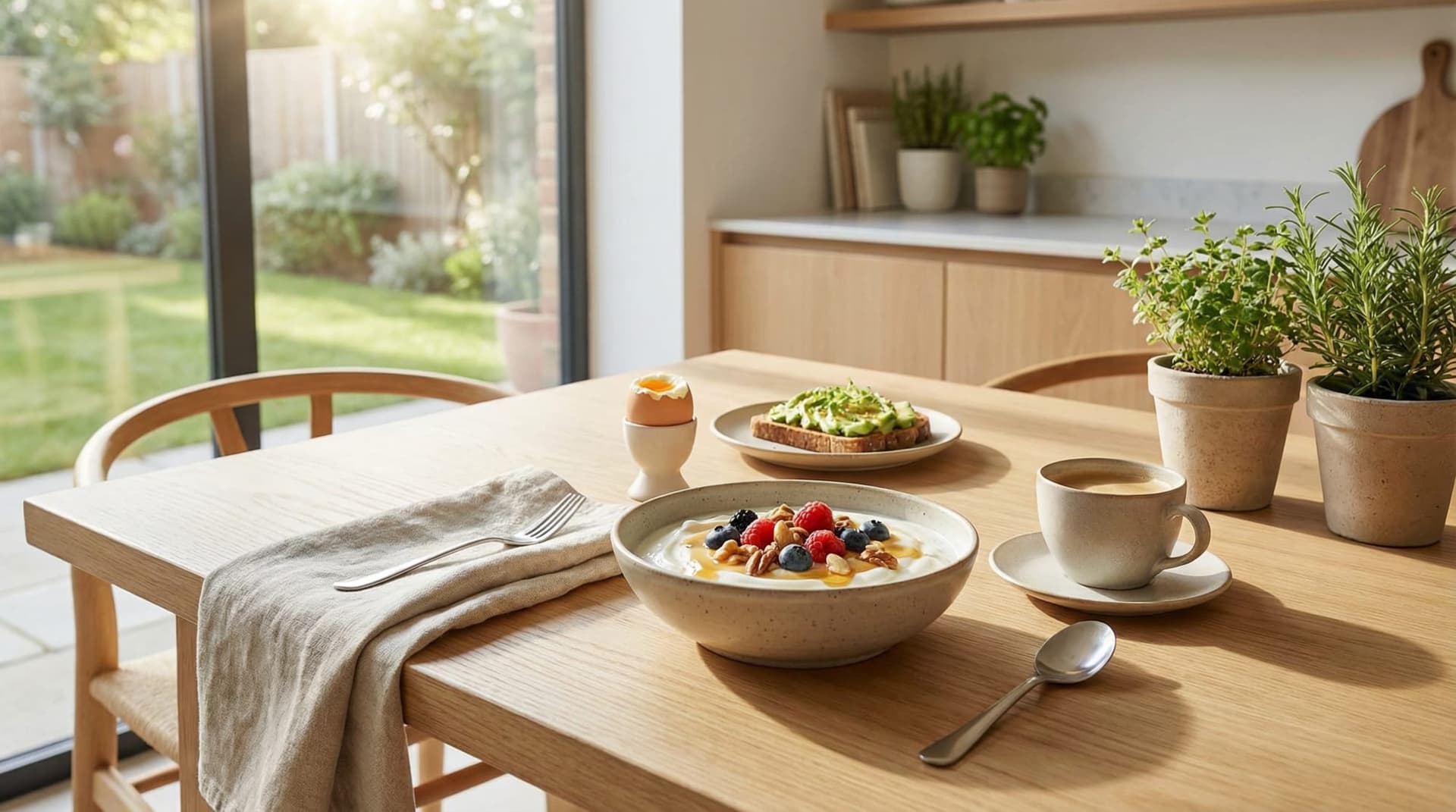
High-Protein Breakfasts That Don't Spike Blood Sugar (Beginner Guide)
Simple high-protein breakfast ideas that support steadier energy and fewer crashes—plus meal prep tips and beginner-friendly product picks.
Read article